Amazon Prime Day Is Moving to June: What Brands Need to Know
TL;DR
- Prime Day 2026 is moving to June, pulling forward inventory deadlines, deal submissions, and media plans for brands.
- This move may help Amazon reach shoppers before summer travel, back-to-school promotions, and competing sales events start pulling more attention and spend away from retail.
What’s Going On
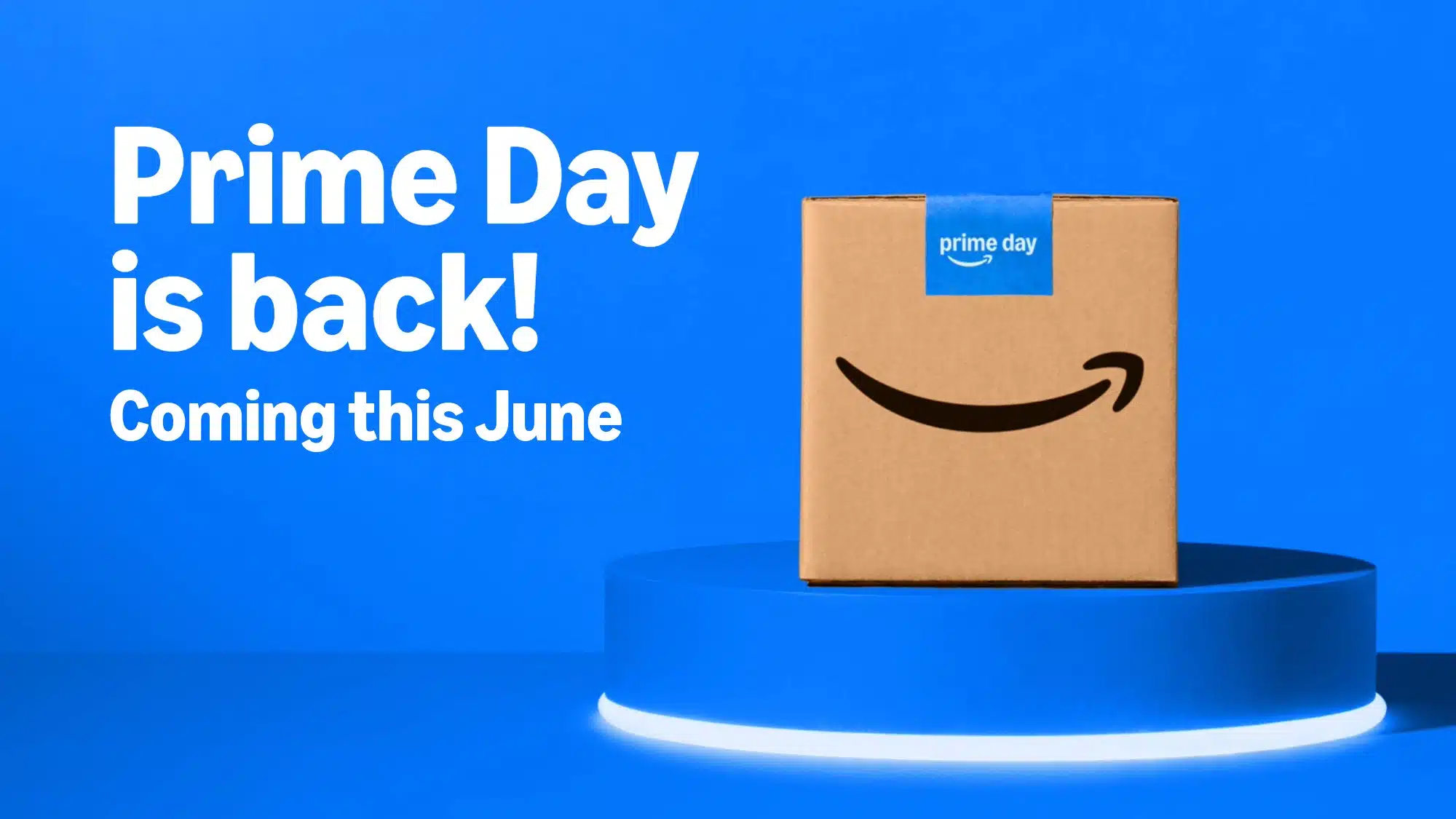
Amazon has confirmed that Prime Day 2026 will run from June 23–26, making it official: for the first time since 2021, the sale won’t take place in July.
While this change might not seem like a big deal, it’s a deliberate move by Amazon. Prime Day launched in July 2015 and has been held in July almost every year since. The only exceptions were 2020, when COVID-related logistics delays pushed the event to October, and 2021, when it moved to June before returning to July the following year.
For brands, this is more than a calendar change. Moving Prime Day into June means inventory needs to arrive earlier, deals need to be submitted sooner, and media plans need to be shifted.
Why Amazon Is Making the Change
Amazon hasn’t said exactly why it’s moving Prime Day into June, but there are a few key factors that likely influenced it:
Getting Ahead of Summer Distractions
In June, families are still planning and preparing for summer. Kids are getting out of school, trips are being booked, and households are making seasonal purchases. By July, more spending shifts toward travel, activities, and experiences. Moving Prime Day into June lets Amazon (and retailers) reach shoppers while retail purchase intent is still high, before summer plans compete more heavily for attention and budget.
Getting in Front of Back-to-School Demand
If 2026 follows the pattern of previous years, back-to-school shopping will peak in early July. Historically, Prime Day has taken place right in the middle of that shopping window. Moving Prime Day into June gives Amazon a chance to capture early shoppers before July becomes crowded with back-to-school promotions and competitor sales events. What to watch for: June may be too early for some back-to-school categories to see peak demand, but it can still give brands an early read on what shoppers are responding to before the season peaks in July.
Responding to Competitive Pressure
When Prime Day launched, it was the only major summer sales event. Now Walmart, Target, Wayfair, and TikTok Shop all run their own summer sales events, timed close to Prime Day to compete for the same shoppers. Moving into June let’s Amazon create more distance from July’s crowded promotional calendar and force competitors to either follow its timeline or risk missing the earlier window.
Shifting Revenue Into Q2
Prime Day is one of Amazon’s largest revenue drivers. When it happens in July, that revenue counts toward Q3. Moving it to June pulls that revenue into Q2, strengthening the first half of the year and reducing pressure on the second half. Consumer confidence can change, holiday promotions can pressure margins, and Q4 spending is never guaranteed. For brands, an earlier Prime Day has the same benefits. Knowing performance results by the end of June gives teams more time to adjust Q4 plans, budgets, and inventory strategies.
What This Means for Your Brand
Planning Timelines are officially shorter: FBA cutoffs and supply chain deadlines have all moved forward. Amazon requires inventory to be physically checked in to its fulfillment centers before Prime Day begins. If your products aren’t there in time, they won’t be available to ship when shoppers are buying.
What to do: Work backward from Prime Day to confirm whether manufacturing and delivery windows still leave enough time to meet FBA cutoffs.
Deal and promotion deadlines are earlier: Lightning Deals, Prime Exclusive Discounts, and coupons need to be submitted weeks before Prime Day. That means decisions on which SKUs to promote, how deeply to discount, and whether inventory can support the offer need to be finalized sooner.
What to do: Revisit your promotional plan now. Confirm which offers will run, which products they’ll apply to, and when each submission is due.
Media needs to be live before June: You can’t rely on last year’s campaign timing! Campaigns that historically ramped through June and peaked in July now need to be restructured. By the time Prime Day arrives, creative should be tested, messaging finalized, audiences optimized, and channel strategy set.
What to do: Use May to test, optimize, and make final adjustments so campaigns are ready by June.
Budgets need to be reallocated: Most brands plan their summer media spend with July as the heaviest month. More of that spend may need to move into June. Waiting until July could mean missing the highest-intent shopping period.
What to do: Reforecast summer media spend with June as the primary investment month, while keeping some budget for post-event retargeting.
Other retailers may shift their plans: Other retailers will likely respond to Amazon’s move by adjusting their own summer promotions. Brands that sell through multiple retailers may need to adjust promotional calendars beyond Amazon.
What to do: Reach out to retail partners now to understand whether their summer promotional timing is changing. Don’t wait for them to come to you.
Questions We’re Hearing From Brands
We planned our inventory and media budgets around a July Prime Day. How much does moving to June actually disrupt our plan?
For most brands, total demand shouldn’t change. The same shoppers who would have bought in July will now be buying in June. You’re not losing volume, you’re shifting when it happens.
Should we move budget from July into June or increase total spend?
We recommend shifting the majority of your Prime Day budget into June rather than increasing total spend. Don’t pull July down to zero, though. Prime Day tends to create a demand halo that extends into the weeks after the event, and with back-to-school peaking in early July, keeping some budget active lets you capture shoppers who are still in buying mode.
Do we need to adjust our strategy across other retailers and channels?
Yes. Some retailers will shift their summer promotional timing in response; others won’t. Either way, the separation between Prime Day and back-to-school peak creates more room to use different retailers for different purposes. You don’t have to fit everything into the same July window anymore.
If Prime Day is now a Q2 event, how does that change how we think about the Prime Big Deal Days in October? Should we be pulling forward investment more broadly across the first half of the year?
For most brands, the overall growth forecast shouldn’t change. Prime Big Deal Days in October is still its own opportunity and should be planned for separately. The exception is brands with strong summer seasonality. If your category peaks in June and July, an earlier Prime Day is actually a best-case scenario. Regardless of your brand’s seasonality, treat this June event as a learning opportunity. Audience response, promotional strategy, creative performance, and product demand should directly inform your planning for October’s Prime Day.
Prime Day is only one part of a strong Amazon strategy. WITHIN can help your brand connect retail media, promotions, measurement, and marketplace planning to drive stronger performance year-round.
Get In Touch